Table of Contents
What Is Included in a Bathroom Renovation? A Complete Guide for Hyderabad Homeowners
What is included in a bathroom renovation when updating a flat or villa in Secunderabad or Hyderabad? A complete renovation involves civil demolition, sub-surface elastomeric waterproofing, plumbing and electrical line replacement, floor and wall tiling, sanitaryware installation, and final fixture fittings.
Basic foundational work typically starts around ₹150 per sq ft, but total project costs depend heavily on space size, material finishes, and layout changes—confirmed after a free on-site visit. Knowing what goes into each phase helps homeowners in Kondapur, Gachibowli, or Jubilee Hills plan budgets accurately while avoiding unexpected delays during execution.
What Is Included in a Full Bathroom Renovation?
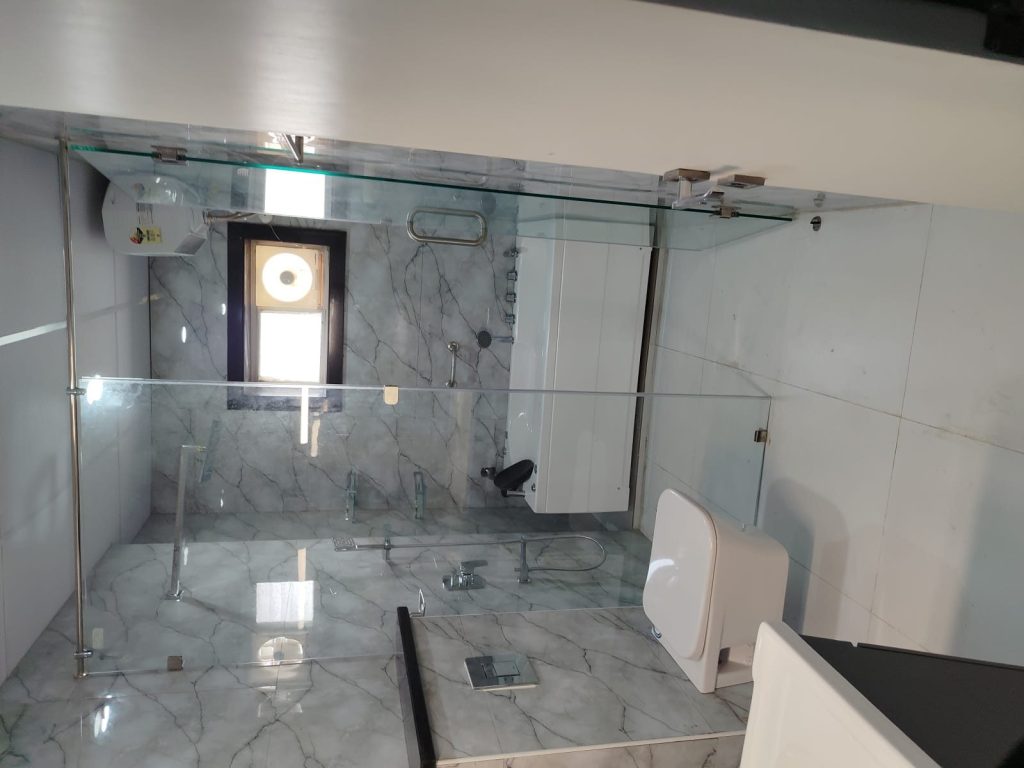
A full bathroom renovation includes civil stripping of old finishes, structural sub-floor preparation, multi-layer liquid waterproofing, replacement of concealed plumbing and electrical lines, precision tile laying, epoxy grouting, and mounting sanitaryware like WCs, vanities, shower units, and CP fittings.
| Renovation Phase | Standard Deliverables & Tasks |
|---|---|
| 1. Civil Demolition | Stripping old tiles, mortar beds, and old fixtures |
| 2. Surface Preparation | Wall leveling, floor slope corrections, and debris disposal |
| 3. Waterproofing Seal | Multi-layer elastomeric membrane and ponding testing |
| 4. Concealed Utilities | New CPVC/PPR pipes, electrical points, and concealed valves |
| 5. Tiling & Grouting | Laying anti-skid floor/wall tiles with epoxy filling |
| 6. Final Fit-Out | Mounting WCs, showers, vanities, and accessories |
Why Understanding Renovation Scope Matters
A bathroom is a high-utility space exposed to constant water usage, humidity, and chemical cleaners. In urban apartment complexes across Madhapur, Kukatpally, and HITEC City, skipping key structural steps can cause widespread damage.
- Preventing Shared-Wall Seepage: Moisture easily travels through concrete slabs into adjacent bedrooms or lower-floor ceilings if sub-floor waterproofing is ignored during a tile refresh.
- Managing Hard-Water Effects: Local groundwater in the Twin Cities carries heavy minerals that degrade old iron or low-grade PVC pipes, making new concealed CPVC/PPR piping essential.
- Compliance with Society Rules: Apartment gated communities enforce strict rules regarding debris management, working hours, and elevator usage that shape project logistics.
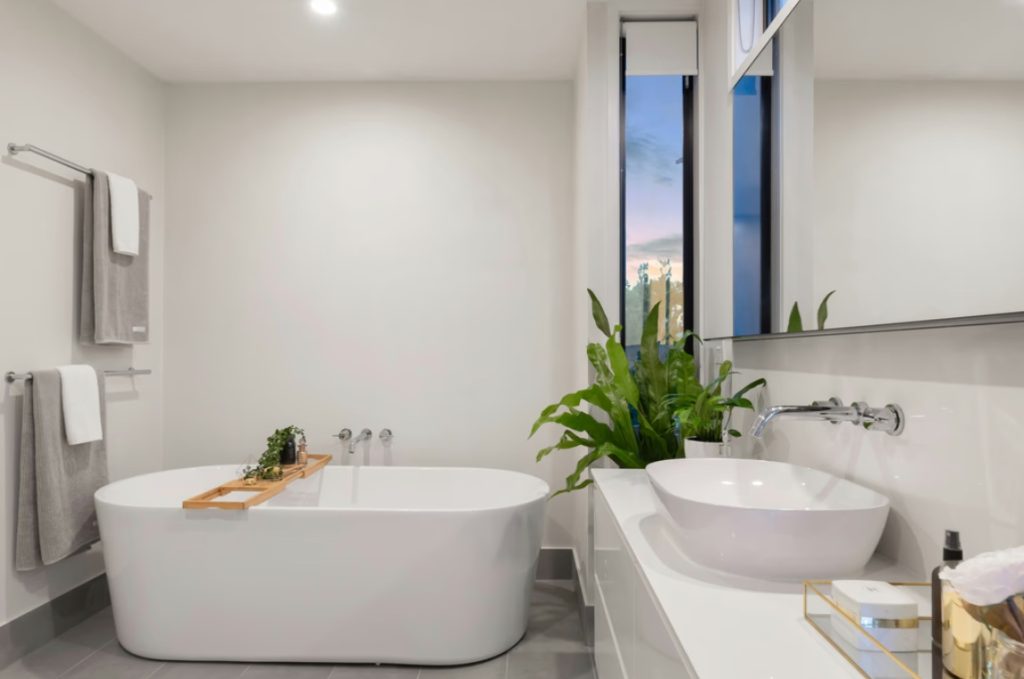
Key Components Included in a Bathroom Remodel
When planning your budget and material list, ensure these primary components are explicitly addressed in your project plan:
- Civil Demolition & Debris Disposal: Removing worn floor and wall tiles, clearing old mortar, and safely hauling away civil waste per society guidelines.
- Sub-Surface Waterproofing: Applying elastomeric chemical coatings across bare floor slabs and vertical walls up to splash heights to prevent moisture penetration.
- Concealed Plumbing & Electrical Rough-Ins: Rerouting water supply lines, waste drainage pipes, and wiring junctions for geysers, mirrors, and exhaust fans.
- Wall & Floor Tiling: Installing anti-skid vitrified floor tiles and ceramic wall tiles using specialized tile adhesives rather than plain cement mortar.
- Sanitaryware & Fittings: Securing wall-hung or floor-mounted toilets, vanity washbasins, diverters, overhead showers, and tapware.
- Epoxy Tile Grouting: Filling gaps between tiles with epoxy grouting—a water-resistant resin compound that locks out water and resists mold.
How a Bathroom Renovation is Typically Approached
To achieve a durable finish, professional bathroom remodelling follows a step-by-step sequence:
- Initial On-Site Technical Inspection: Measuring floor area, examining structural dampness, and assessing existing pipe conditions.
- Layout & Space Zoning: Defining wet shower zones and dry vanity areas to streamline water drainage.
- Controlled Civil Demolition: Stripping existing surfaces cleanly down to bare brick and floor slabs without damaging building drainage stacks.
- Waterproofing Application & Testing: Applying liquid waterproofing membranes and conducting 24-to-48-hour water ponding tests to confirm a complete seal.
- Utility Rough-In Work: Laying new concealed pressure-tested piping and setting electrical switch boxes.
- Tile Laying & Joint Sealing: Fixing wall and floor tiles, ensuring correct slope gradients toward floor drains, and applying epoxy grout.
- Fixtures Installation & Leak Testing: Mounting sanitary fittings, glass partitions, and accessories, followed by functional pressure checks.
Planning a structural upgrade requires coordinated management across tilers, plumbers, and waterproofing specialists. As a dedicated bathroom renovation specialist operating in Secunderabad and Hyderabad, BathUrChoice evaluates existing site conditions to provide a clear, itemized breakdown covering every phase from demolition to final fit-out.
Common Misconceptions About Bathroom Renovation Scope
- Myth 1: A bathroom renovation only covers replacing visible tiles and taps.
- Fact: Cosmetic tile changes ignore hidden plumbing wear and damaged sub-floor waterproofing, which often leads to leaks shortly after remodeling.
- Myth 2: You can reuse old concealed pipes to save money.
- Fact: Aging pipes subjected to hard water are prone to sudden leaks; replacing them while walls are open avoids breaking new tiles later.
- Myth 3: Waterproofing is only needed in old buildings.
- Fact: Demolition disrupts existing floor seals in any building. Fresh waterproofing must be applied whenever floor tiles are replaced.
- Myth 4: Online square-footage rates cover all fixtures and custom layouts.
- Fact: Base rates cover fundamental civil tasks. Final costs vary depending on fixture choices, custom vanities, and structural pipe shifts.
When to Bring in a Professional Assessment
While replacing a towel rack or mirror can be a simple DIY job, full-scope renovation tasks require professional technical equipment. Request an expert on-site evaluation if you notice:
- Peeling paint or damp patches on walls bordering the bathroom.
- Water dripping onto lower-floor ceilings or light fixtures.
- Persistent musty odors even after thorough surface cleaning.
- Discolored, cracked, or hollow-sounding floor tiles and grout lines.
- Reduced water pressure caused by mineral buildup inside aging concealed pipes.
Frequently Asked Questions
How long does a full bathroom renovation take?
Project duration depends on project scope, layout shifts, and material availability. Standard apartment bathroom renovations typically take between 10 to 18 days under normal site conditions.
How much does a basic bathroom renovation cost in Hyderabad?
Foundational civil work and labor generally start around ₹150 per sq ft. However, overall costs vary depending on chosen tiles, fittings, and structural scope—best verified via an on-site visit.
Is waterproofing automatically included in a bathroom renovation?
A complete professional renovation includes sub-surface waterproofing, but you should always confirm that multi-layer waterproofing and pond testing are explicitly detailed in your initial quote.
Can I change my bathroom layout during a renovation?
Yes, shifting toilets, showers, or vanities is possible, but rerouting drainage and water lines involves additional civil labor and plumbing adjustments.
What should I ask before hiring a bathroom renovation contractor?
Inquire about their waterproofing methods, society work-hour compliance, debris disposal plans, and request a detailed, itemized quote to prevent unexpected mid-project expenses.
How can I get an itemized quote for my bathroom in Secunderabad or Hyderabad?
You can book a free on-site assessment with BathUrChoice, where a technical specialist inspects your existing space, measures floor areas, evaluates plumbing, and provides an itemized estimate.