Table of Contents
What Is a Fixture in a Bathroom? A Practical Guide for Homeowners
Understanding what is a fixture in a bathroom is essential when planning a renovation, budgeting for materials, or discussing layout changes with a contractor. In plumbing and interior design, a bathroom fixture refers to any semi-permanent, plumbed apparatus attached directly to the building’s water supply and drainage structure, such as toilets, sinks, bathtubs, and shower bases.
Basic bathroom civil labor and surface preparation typically start around ₹150 per sq ft. However, your total renovation budget depends on space dimensions, layout modifications, and the specific sanitaryware fixtures you choose—which can only be accurately confirmed after a free on-site visit. Understanding these essential components helps homeowners across Gachibowli, Kondapur, Madhapur, and Secunderabad make informed purchasing decisions.
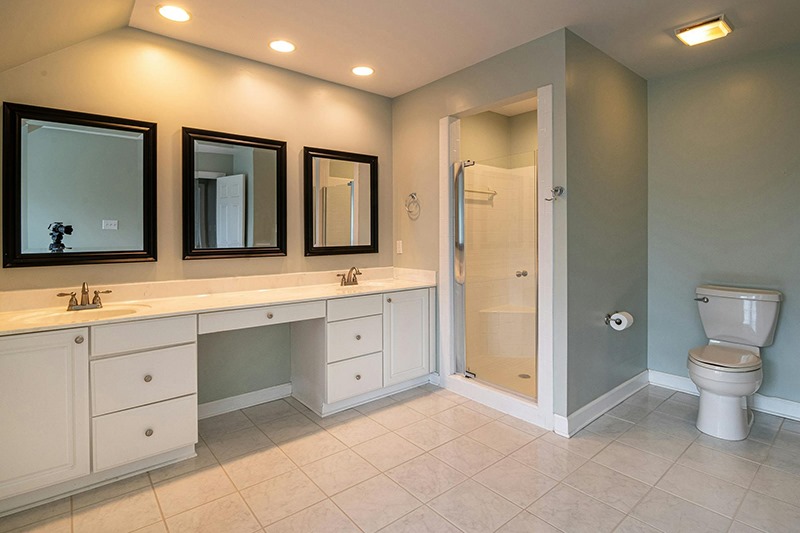
What Is a Bathroom Fixture?
A bathroom fixture is a fixed, semi-permanent unit connected directly to a home’s freshwater inlet and wastewater drainage piping. Unlike loose furniture or decorative accessories, moving or replacing a fixture requires professional plumbing work and structural considerations.
| Classification | Examples |
|---|---|
| Plumbed Fixtures | Toilets (WCs), washbasins, bathtubs, shower trays |
| Plumbing Fittings | Taps, mixer valves, diverters, health faucets, spouts |
| Surface Accessories | Towel racks, soap dishes, toilet paper holders, mirrors |
Why Understanding Fixtures Matters in Hyderabad Renovations
In apartment complexes and independent homes across HITEC City, Kukatpally, Banjara Hills, and Jubilee Hills, selecting and installing bathroom fixtures involves distinct practical factors:
- Hard-Water Compatibility: Borewell and municipal water in many Hyderabad localities contain high mineral levels. Choosing vitrified porcelain fixtures with anti-stain ceramic glazes prevents mineral scale from etching into surfaces.
- Drainage and Floor Slab Alignment: Installing wall-hung toilets or modern floor-mounted WCs depends heavily on existing soil pipe locations and drop-slab depths in high-rise apartments.
- Society Work Approvals: Moving a heavy fixture like a bathtub or shifting a toilet position requires altering concealed drain lines, which often requires approval from apartment resident welfare associations (RWAs).
Key Types of Bathroom Fixtures to Consider
When planning your layout, consider these four primary categories of plumbed fixtures:
- Water Closets (Toilets): Options range from traditional floor-mounted inventory to space-saving wall-hung WCs with concealed flush tanks built into the wall framing.
- Washbasins: Available as tabletop vessels, wall-hung units, or integrated vanity basins depending on storage needs and available floor space.
- Shower Enclosures & Trays: Floor-level drainage zones or acrylic shower trays designed to contain wastewater within a designated wet zone.
- Bathtubs: Built-in alcove tubs or freestanding acrylic tubs requiring dedicated water supply valves and high-volume drainage connections.
How Fixture Selection and Installation Are Typically Approached
Upgrading or relocating fixtures in a bathroom follows a systematic civil and plumbing sequence:
- Plumbing Line & Outlet Mapping: Inspecting existing inlet pressure and waste pipe alignment to determine if desired fixture positions are structurally feasible.
- Concealed Rough-In Installation: Positioning concealed flush tanks, wall-bracket frameworks, and hot/cold water supply lines behind wall masonry.
- Surface Waterproofing: Applying elastomeric waterproofing membranes around pipe penetrations and testing watertight seal integrity before tiling.
- Tile Laying & Niche Prep: Tiling walls and floors around precise plumbing outlets, ensuring proper slope fall toward floor drains.
- Final Fixture Mounting & Sealing: Fixing porcelain units, connecting waste traps, and applying anti-fungal silicone sealants along edge joints.
Proper alignment during fixture installation prevents future leaks and drainage slowdowns. BathUrChoice’s design and execution team evaluates your existing plumbing setup and floor conditions during a site inspection to confirm layout feasibility before work begins.
Common Misconceptions About Bathroom Fixtures
- Myth 1: Faucets, showers, and taps are considered bathroom fixtures.
- Fact: Taps and showerheads are technically classified as plumbing “fittings” or brassware, while the porcelain or acrylic units receiving the water are the “fixtures.”
- Myth 2: You can easily relocate a toilet fixture anywhere in the bathroom.
- Fact: Relocating a toilet requires extending the main 4-inch soil pipe with sufficient downward slope, which is often limited by existing floor slab thickness in apartments.
- Myth 3: All porcelain fixtures are identical in durability and maintenance.
- Fact: High-grade vitrified ceramic fixtures feature non-porous glazes that resist hard-water staining and bacterial growth far better than lower-grade ceramics.
- Myth 4: Replacing a fixture does not require checking sub-floor waterproofing.
- Fact: Removing older floor-mounted fixtures often breaks existing sub-surface waterproofing layers around drain collars, requiring localized membrane repairs.
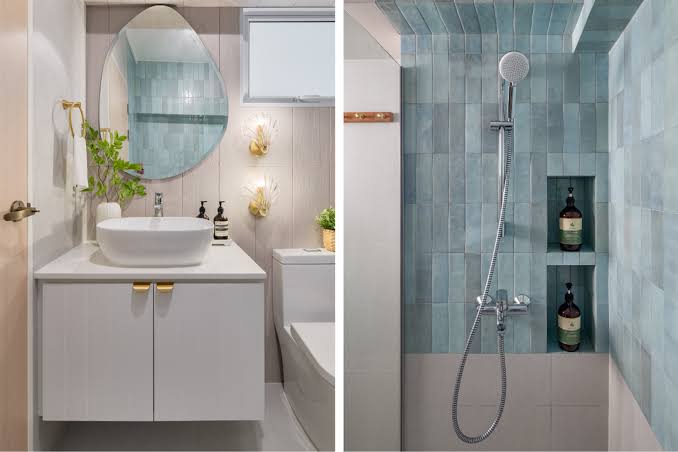
How Much Does Replacing Bathroom Fixtures Cost?
The overall investment for upgrading bathroom fixtures depends on several factors:
| Scope of Work | Estimated Cost Drivers | Key Technical Dependencies |
| Direct Replacement (Same location, new fixtures) | Basic labor from ₹150/sq ft + fixture cost | Pipe condition & waste outlet sizing |
| Relocated Layout (Shifting WC or basin positions) | Civil prep, new piping & tiling updates | Drop slab depth, floor slope & wall chases |
| Complete Remodel (Full waterproofing, tiling & fixtures) | End-to-end scope confirmed via site visit | Society timing rules, plumbing upgrades |
What to Ask Before Choosing New Fixtures
Before purchasing new sanitaryware for your home, review these practical questions with your installation team:
- Does my existing water pressure support high-flow shower fixtures or wall-hung flush valves?
- Are the waste outlet dimensions compatible with my apartment’s concealed drainage lines?
- Will shifting fixture positions require cutting into wall masonry or raising the floor level?
- Are replacement cartridges and spare parts readily available locally for the selected brands?
- How will wastewater drainage be separated between wet shower zones and dry vanity areas?
When to Bring in a Professional Assessment
While replacing a loose towel rack or faucet washer is a quick task, changing plumbed fixtures involves concealed piping and structural seals. Request an on-site professional assessment if you experience:
- Persistent damp spots or flaking paint on walls behind existing toilets or basins.
- Slow drainage or foul sewage odors coming from soil pipe connections.
- Cracks or deep chipping on old porcelain fixtures that harbor bacteria.
- Low water pressure at washbasins or shower outlets caused by internal pipe scaling.
- Water seepage reported on the ceiling directly below your bathroom.
Frequently Asked Questions
What is the difference between a bathroom fixture and a fitting?
A fixture is a plumbed sanitary unit receiving water (like a toilet or basin), whereas a fitting is a control mechanism delivering water (like a faucet, mixer valve, or tap).
How long does it take to replace bathroom fixtures?
Replacing existing fixtures in their current locations typically takes 1 to 3 days. Full bathroom remodels involving plumbing relocations generally take between 10 to 18 days.
Can I install a wall-hung toilet in an older apartment?
Yes, provided there is sufficient wall depth to house the concealed metal mounting frame and flush tank, or if a false wall partition can be built.
How much does a basic bathroom renovation cost?
Basic civil labor and surface preparation start around ₹150 per sq ft. However, total project costs depend on bathroom dimensions, finish levels, and selected fixtures—confirmed after a free on-site visit.
How do I prevent hard-water stains on new ceramic fixtures?
Choose vitrified ceramic fixtures with nano-glazed finishes, wipe surfaces dry regularly, and avoid using harsh acidic cleaners that strip away protective ceramic glazes.
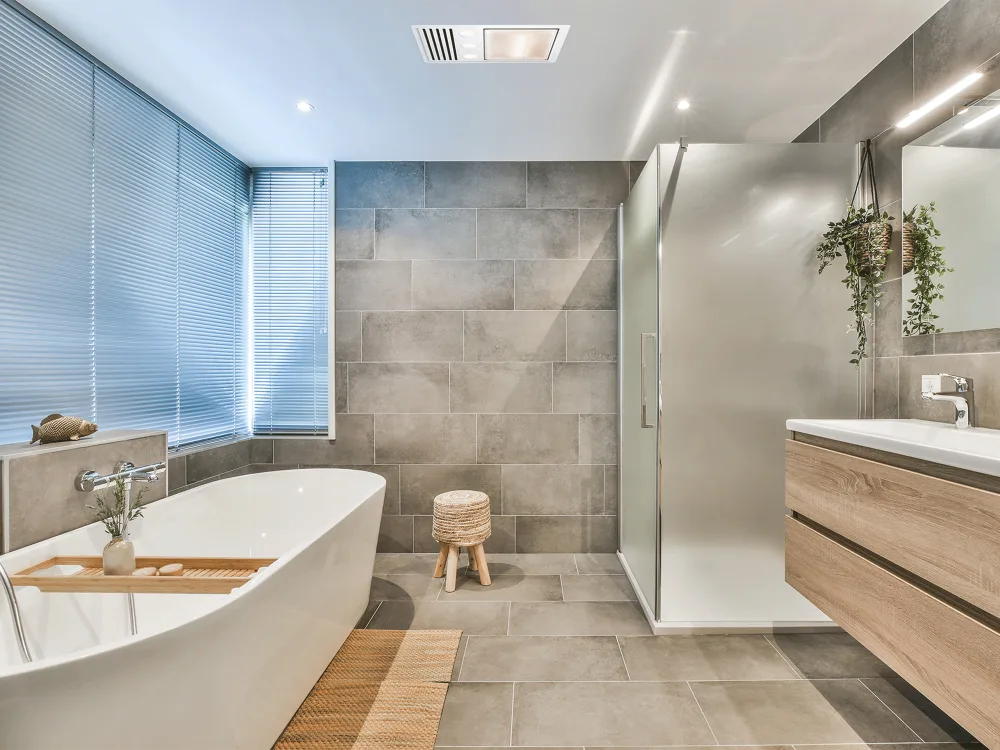
How can I schedule an on-site plumbing and fixture assessment?
You can request a free on-site assessment from BathUrChoice, where a technical specialist evaluates your layout, checks drainage slopes, and provides an itemized proposal.
If you’re planning a renovation, a free on-site visit gives you a clear, itemised picture. Get a free quote from BathUrChoice.