Table of Contents
Musty Smell in Bathroom: Causes and Fixes for Homeowners
Dealing with a persistent musty smell in bathroom spaces is one of the most common issues homeowners face, particularly in humid regions and apartment complexes. That damp, earthy odor is rarely just a cosmetic inconvenience—it is almost always a sign of trapped moisture, poor ventilation, decaying organic material in floor traps, or concealed wall seepage.
To fix a persistent bathroom odor, you need to identify where moisture is accumulating, clear clogged drain traps, improve airflow, and address any active sub-surface water leakage before it damages internal wall masonry.
Last updated: October 2026
What Causes a Musty Smell in a Bathroom?
A musty smell in a bathroom is an earthy odor produced by microbial growth—such as mold, mildew, and bacteria—thriving in damp, poorly ventilated spaces. It occurs when stagnant water accumulates in cracked tile grouting, dried-out floor trap seals, or saturated plaster behind walls, creating an ideal breeding ground for fungi.
Why Ignoring Persistent Bathroom Odors Matters
In apartment hubs like Gachibowli, Kondapur, Madhapur, and HITEC City, as well as older homes in Secunderabad, an unresolved foul odor often signals deeper structural issues:
- Sub-Floor Water Accumulation: Water passing through damaged grouting—the sealant filling gaps between tiles—collects on the concrete slab, feeding bacterial growth beneath the surface.
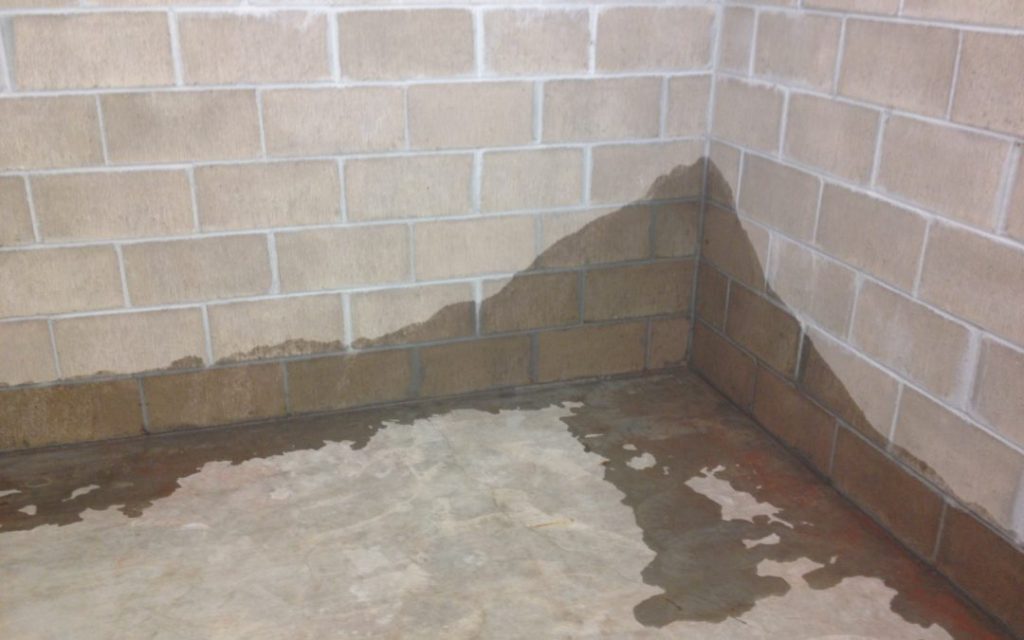
- Shared Wall Damage: Dampness absorbed by brickwork migrates to adjoining rooms, causing paint to peel or blister on bedroom walls and wardrobe backings.
- Degraded Indoor Air Quality: Spores released by concealed mold travel through living spaces, which can trigger respiratory discomfort or allergies in sensitive family members.
- Escalating Repair Costs: Masking the smell with air fresheners leaves the root leak unaddressed, leading to higher repair bills when tiles eventually loosen or fail.
Key Components to Check When Diagnosing Bathroom Odors
When tracking down the source of a damp odor, systematically evaluate these core plumbing and structural areas:
- Floor Drain Traps (Nahani Traps): The U-shaped or cup-style plumbing fittings designed to hold a small water seal that blocks sewer gases from rising back up into the room.
- Tile Joints and Silicone Sealants: Grout lines along shower floors and silicone seals around vanity basins that may have cracked or lost adhesion.
- Exhaust Fans and Air Outlets: Mechanical ventilation units that clear humid air and steam out of the bathroom during and after daily use.
- Concealed Pipe Joints: Internal hot/cold water lines or waste pipe couplings embedded within wall masonry and drop slabs.
How to Fix a Musty Bathroom Smell: 5 Step-by-Step Fixes
Addressing a damp odor requires systematic troubleshooting from basic surface cleaning to plumbing checks.
1.Inspect and Flush Floor Trap Drains: Restores the essential water seal in unused drains.
Remove the floor drain grate and clear trapped hair, soap scum, and debris. Pour clean water followed by a vinegar and baking soda solution down the drain to flush out organic sludge and ensure the water seal trap remains full.
2.Clean and Replace Moldy Silicone and Grout: Stops moisture from soaking behind wall and floor tiles.
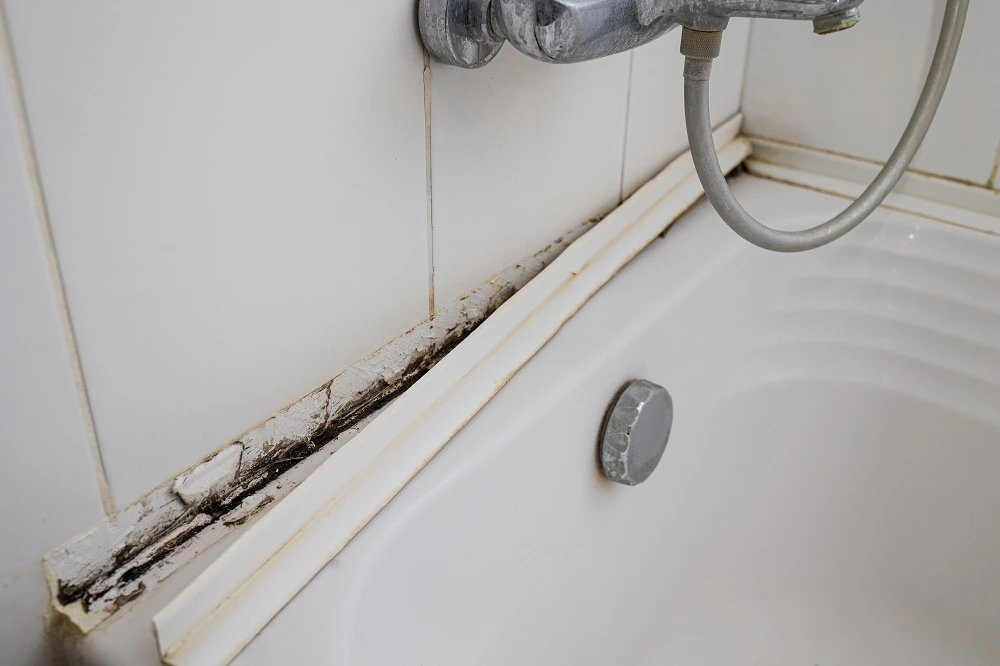
Scrape away blackened, moldy silicone sealant around sinks and shower corners. Re-seal joints with anti-fungal silicone, and fill any hollow tile grout gaps with waterproof epoxy grout.
3.Clears trapped humidity before it condenses:
Ensure your exhaust fan is functioning properly and clear of dust buildup. Running the fan during showers and leaving it on for 20 minutes afterward pulls out moist air before it can settle into wall plaster.
4.Locates slow plumbing drips before wall saturation occurs:
Inspect flexible inlet hoses, angle valves, and washbasin bottle traps with a dry tissue. Small, slow drips behind vanities frequently go unnoticed while continuously dampening wall masonry.
5.Inspect Shared Walls for Paint Blistering or Dampness:Identifies active seepage originating behind tiling.
Walk into adjoining bedrooms or hallways and inspect shared walls for flaking paint, salt deposits (efflorescence), or cool, damp surfaces that indicate water is migrating through the brickwork.
Causes and Fixes Overview
| Common Root Cause | Typical Symptoms | Recommended Fix |
| Dried-Out Floor Trap | Sewage odor coming directly from floor drain | Pour water into drain to restore the P-trap water barrier. |
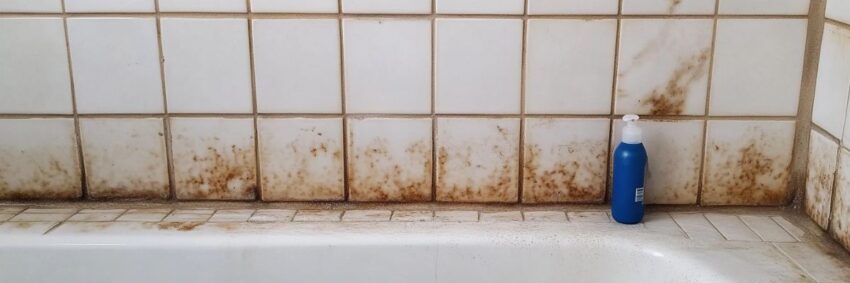
| Eroded Tile Grout | Musty smell along floor corners; damp tile joints | Regrout gaps using waterproof epoxy grout filler. |
| Poor Room Ventilation | Mirror condensation; black mold on ceiling plaster | Install or service exhaust fan; keep doors open post-shower. |
| Concealed Wall Seepage | Peeling bedroom paint; persistent wall moisture | Arrange a technical site assessment for leak detection and waterproofing. |
Common Misconceptions About Bathroom Odors
- Myth 1: “Air fresheners and reed diffusers fix a musty smell.”
- Fact: Fragrance sprays only mask odors temporarily. They do not eliminate the bacterial or mold growth feeding on trapped moisture.
- Myth 2: “If there are no visible wall damp spots, there is no leak.”
- Fact: Water can pool underneath floor tiles on top of the concrete slab for months before showing up as visible dampness on surrounding walls.
- Myth 3: “Bleach permanently kills mold on grout and walls.”
- Fact: Bleach whitens surface mold on porous materials like plaster or grout, but the water content in bleach can feed fungal roots under the surface, causing mold to return.
When to Bring in a Professional Assessment
While surface cleaning and flushing drains can resolve minor odors, persistent smells require professional diagnostic tools. You should arrange a professional evaluation if you notice:
- A musty odor that persists even after deep cleaning and drain flushing.
- Visible damp patches, bubbling paint, or white powdery salt deposits on shared walls in nearby rooms.
- Water stains or damp patches reported on the ceiling directly below your bathroom in apartment buildings.
- Tiles that sound hollow when tapped or show crumbling grout along shower floor junctions.
For complex seepage issues, an expert inspection helps locate concealed leaks without unnecessary tile demolition. At BathUrChoice—a focused bathroom renovation specialist founded in 2015 in Secunderabad—our technical team evaluates plumbing lines, tile condition, and sub-slab waterproofing integrity to identify the root cause of dampness.
How Much Does Seepage Repair or Renovation Cost?
Resolving persistent odor issues depends on whether the fix involves localized plumbing repairs or full waterproofing.
- Basic Civil Work & Regrouting: Starts around ₹150/sq ft for basic tile prep, grout removal, and fresh epoxy joint sealing.
- Targeted Leak Repair: Varies based on pipe accessibility, wall chasing requirements, and plumbing fittings.
- Full Waterproofing & Tiling: Depends on overall bathroom dimensions, waterproofing membrane specifications, and chosen sanitaryware.
Note: Final cost depends on size, finish level, and fixtures — confirmed after a free on-site visit.
How Long Does It Take to Fix Bathroom Moisture Issues?
- Surface Grout & Drain Repairs: Typically completed within 1 to 3 working days, depending on scope.
- Full Bathroom Waterproofing & Renovation: Typically takes 10 to 18 working days, depending on scope, site conditions, and drying times for cementitious or elastomeric waterproofing layers.
Frequently Asked Questions
Why does my bathroom smell musty even when it looks clean?
Musty smells usually stem from hidden moisture trapped beneath floor tiles, behind wall plaster, inside clogged exhaust ducts, or from a dry floor trap seal that allows drain odors to enter the room.
How much does it cost to fix bathroom wall seepage in Hyderabad?
Basic surface treatment and tile regrouting start at ₹150/sq ft. Complete seepage repair costs depend on room dimensions, plumbing conditions, and tile selection—confirmed after a free on-site visit.
Can a dry floor trap cause a musty smell in the bathroom?
Yes. Floor traps (nahani traps) require standing water to block sewer gases. If a bathroom drain is rarely used, the water seal evaporates, allowing foul gases and odors to rise into the room.
How long does a full bathroom renovation take if waterproofing is needed?
A complete renovation with fresh waterproofing typically takes between 10 to 18 working days, depending on scope, structural drying requirements, and site conditions.
What is the best way to clean mold from tile grout lines?
Use a stiff brush with a dedicated anti-mold cleaner or a vinegar-and-baking-soda paste. If grout remains soft or discolored, scrape it out and replace it with non-porous epoxy grout.
How do I schedule a seepage assessment with BathUrChoice?
You can request a free on-site assessment through the BathUrChoice website or phone line. A specialist will inspect your bathroom layout, evaluate moisture levels, and provide an itemized quote.
If you’re planning a renovation or dealing with persistent moisture issues, a free on-site visit gives you a clear, itemized picture before you commit. Get a free quote from BathUrChoice today.