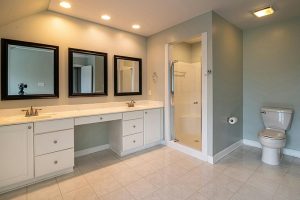
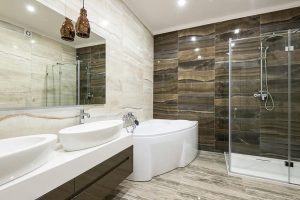
Dealing with active bathroom seepage? Explore our Bathroom Waterproofing Services in Hyderabad featuring 100% leak-proof chemical tanking and a 5-year warranty.
Table of Contents
What Are Damp Walls After Monsoon? {#what-are-damp-walls}
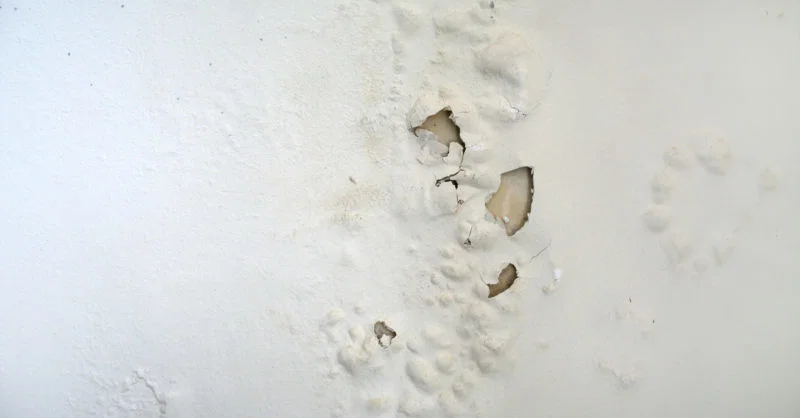
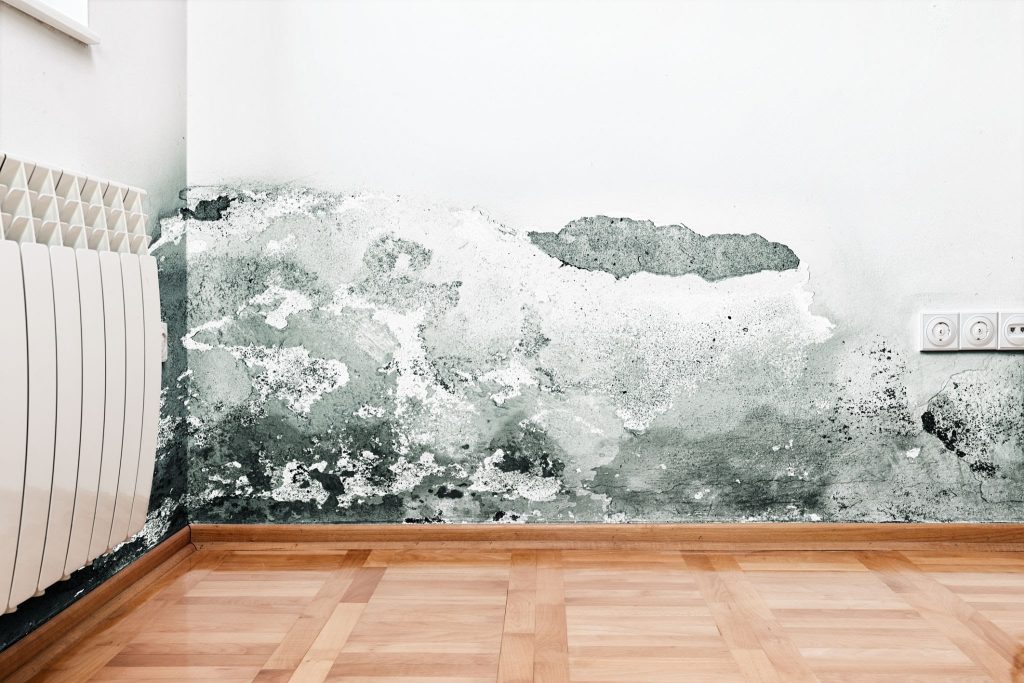
Damp walls after monsoon refer to interior wall surfaces that show trapped moisture, blistering paint, or mineral efflorescence following prolonged seasonal rainfall. This occurs when rainwater penetrates external plaster cracks, or when high humidity accelerates pre-existing plumbing leaks behind shared bathroom walls.
Note: While basic surface repairs start at around ₹150 per sq ft for foundational coating work, the final cost depends on wall size, finish level, and underlying plumbing scope — confirmed after a free on-site visit.
Why Post-Monsoon Moisture Matters for Your Home {#why-this-matters}
Ignoring wall dampness after heavy rains can lead to progressive surface decay. In apartments across regions like Kondapur, Gachibowli, or Kukatpally, water traveling through shared walls can damage wardrobes, loosen wall tiles, and trigger persistent musty odors.
       [ Monsoon Rainfall / High Soil Moisture ]
                           │
                           ▼
  [ Exterior Micro-Cracks OR Damaged Bathroom Grouting ]
                           │
                           ▼
      [ Water Trapped in Porous Brick & Concrete ]
                           │
                           ▼
  [ Interior Wall Dampness, Peeling Paint & Mold Risks ]
When moisture stays trapped within masonry, it breaks down the bond between plaster and paint. Over time, hard-water minerals expand, creating powdery white deposits known as efflorescence. Addressing these signs early prevents widespread structural plaster deterioration.
Key Causes and Infiltration Pathways {#key-causes}
Understanding where moisture originates is essential before applying any repair product.
- External Wall Cracks: Hairline fractures in outer plaster allow wind-driven rain to soak deep into brickwork.
- Grout Degradation: Aged tile grouting—the cementitious material that seals gaps between bathroom tiles—lets shower water migrate into shared walls.
- Concealed Plumbing Leaks: Minor pinhole leaks in concealed GI or CPVC pipes become more noticeable as seasonal humidity rises.
- Parapet & Roof Junction Seepage: Water accumulating on terrace edges drips downward into upper-floor apartment walls.
- Capillary Action (Rising Damp): Ground-floor residences in places like Secunderabad or Malkajgiri can draw soil moisture upwards through porous foundation brickwork.
How Damp Walls Are Processed and Repaired {#repair-approach}
Resolving wall dampness involves a systematic multi-step methodology rather than a quick surface patch.
- Moisture Source Identification: Pinpoint whether the water source is rain-driven, structural, or linked to internal plumbing.
- Plaster & Surface Preparation: Scrape away loose, flaking paint and damaged plaster back to sound masonry.
- Efflorescence Neutralization: Treat white salt deposits with specialized chemical washes to clean the porous brick surface.
- Waterproofing Barrier Application: Apply specialized polymer-modified elastomeric coatings or crystalline waterproofing sluries over the prepared substrate.
- Re-plastering and Painting: Apply a water-resistant putty coat followed by breathable interior wall paint once drying periods conclude.
Common Misconceptions About Dampness {#common-misconceptions}
| Myth | Reality |
| “Waterproof paint cures active wall dampness.” | Waterproof paint acts as a surface barrier; if applied over active interior leaks, water pressure causes it to blister and peel off rapidly. |
| “Dampness is only an issue in old buildings.” | New constructions often experience seepage due to rapid plaster curing, lack of expansion joints, or improperly sealed tile grout. |
| “Damp walls will dry out permanently on their own in summer.” | Sunlight dries surface moisture, but trapped moisture in masonry stays behind and reappears during the next heavy rainfall. |
| “Applying silicon sealant over tiles fixes all bathroom leaks.” | Surface silicone sealant is a temporary measure. It cannot substitute for proper elastomeric waterproofing membranes under floor tiles. |
When to Get a Professional On-Site Assessment {#when-to-call-a-professional}
A DIY sealant or paint touch-up works for minor cosmetic marks, but structural seepage demands specialized evaluation.
You should request an on-site inspection if you observe:
- Large, spreading damp patches on walls shared with bathrooms or utility areas.
- Persistent peeling paint or powdery white deposits returning after repainting.
- A damp, musty smell inside bedrooms or built-in wooden wardrobes.
- Tiles popping loose or hollow sound behind bathroom wall tiles.
- Water dripping from ceilings or electrical switchboard conduits.
After assessing the concept, homeowners looking for expert diagnosis can turn to established local specialists. Positioned as an end-to-end renovation team, BathUrChoice provides detailed, line-item evaluations for bathroom waterproofing and seepage repairs across Hyderabad and Secunderabad.
Frequently Asked Questions {#faqs}
Why do my interior walls get damp only after the monsoon season?
Post-monsoon dampness occurs when heavy rains saturate exterior masonry or elevate sub-surface moisture. Water moves through porous bricks, failed plaster, or micro-cracks in tile grout, becoming visible indoors as the weather clears.
Can I simply scrape off peeling paint and repaint a damp wall?
Repainting over active dampness or efflorescence is only a cosmetic cover-up. Without resolving the underlying source of water infiltration or plumbing leaks, the new paint layer will blister and peel again within months.
How do I know if dampness is from monsoon rain or a leaking bathroom pipe?
Rain-driven dampness typically flares up during monsoon months and recedes during dry periods. Moisture caused by internal plumbing leaks or damaged tile grouting remains wet year-round regardless of outdoor weather.
How much does professional dampness treatment cost in Hyderabad?
Basic surface repairs and waterproofing preparation start around ₹150 per sq ft. Final costs depend on wall area, severity of moisture damage, structural repairs, and tile removal, which can be confirmed after a free on-site assessment.
How long does it take to repair damp walls in an apartment?
Minor wall repairs and surface waterproofing generally take 2 to 4 days, while full bathroom re-waterproofing and tile replacement typically take 7 to 10 days depending on scope, drying times, and site conditions.
Will waterproofing my bathroom stop dampness on adjacent bedroom walls?
Yes, if the adjacent dampness stems from shared wall plumbing or compromised floor-wall tile joints. A specialist from BathUrChoice can inspect the shared wall to confirm whether internal bathroom leakage is the primary cause.
Can high ground moisture cause dampness on ground-floor apartment walls?
Yes, ground-floor flats often suffer from rising dampness, where groundwater travels upwards through masonry via capillary action if the damp-proof course (DPC) is absent or damaged.
What should I ask a contractor before waterproofing damp walls?
Ask how they identify the exact leak source, what waterproofing membrane or chemicals they recommend, whether they provide an itemized written quote after a site visit, and how long drying periods will take.
Conclusion
Damp walls after monsoon rains are a clear warning sign that water has found a pathway into your home’s masonry. By identifying whether seepage originates from exterior plaster cracks or shared bathroom plumbing, you can address the root cause effectively.
If you’re planning a renovation or dealing with persistent seepage, a free on-site visit gives you a clear, itemised picture of costs and timelines. Get a free quote from BathUrChoice to have an experienced specialist inspect your walls today.