Dealing with active bathroom seepage? Explore our Bathroom Waterproofing Services in Hyderabad featuring 100% leak-proof chemical tanking and a 5-year warranty.
Table of Contents
Importance Of Bathroom Waterproofing: Full Guide
Understanding the importance of bathroom waterproofing is essential for any homeowner or apartment resident planning a bathroom renovation. Waterproofing acts as an invisible barrier underneath your floor tiles and behind your shower walls, holding back daily moisture that would otherwise seep into structural concrete, ruin adjoining bedroom paint, or cause ceiling drips for neighbors below.
Whether you are remodeling an apartment in Gachibowli or upgrading an independent house in Secunderabad, proper sub-surface waterproofing helps prevent long-term wall dampness, structural concrete degradation, and health risks from persistent mold.
What is Bathroom Waterproofing?
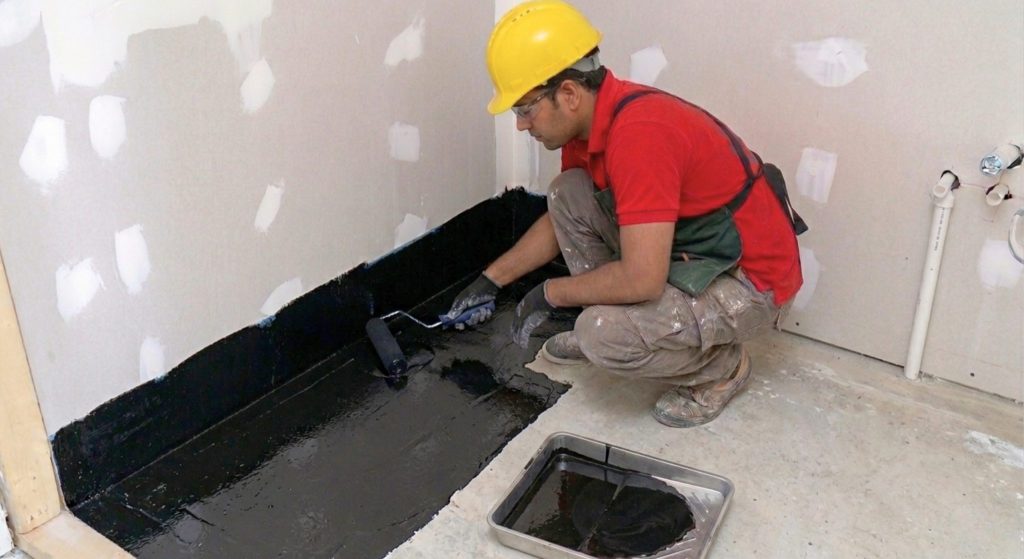
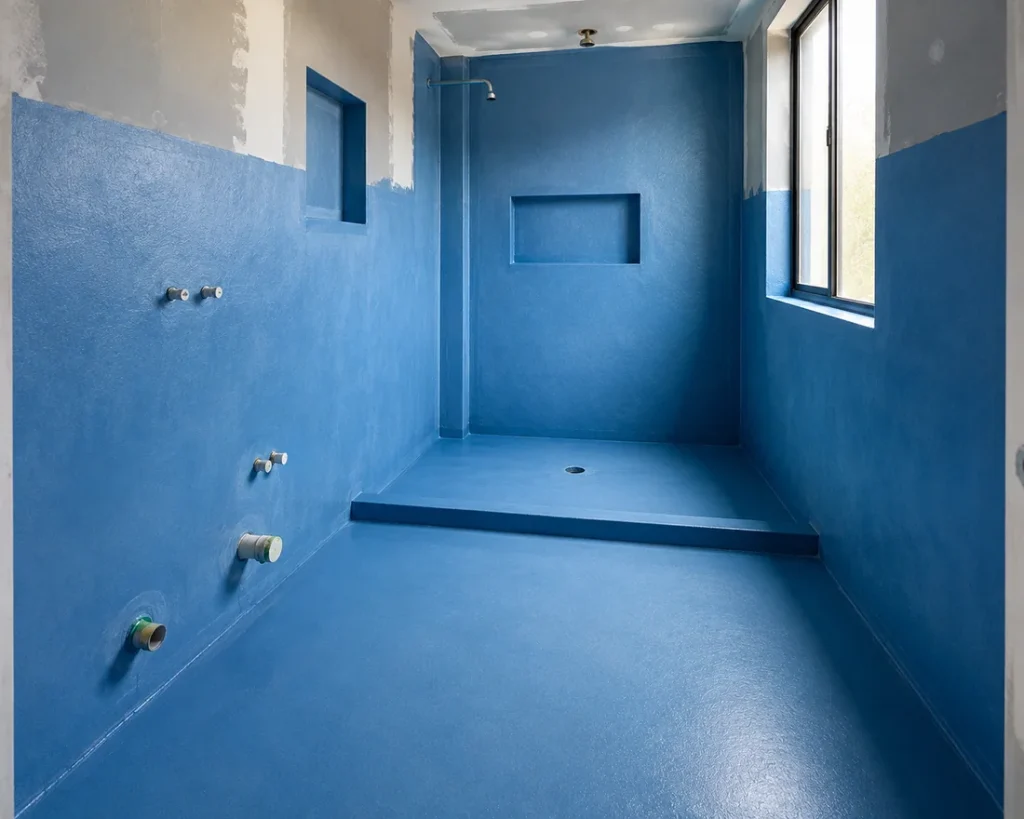
Bathroom waterproofing is the systematic application of a liquid or sheet-based impermeable membrane beneath floor tiles and behind wall plaster. It creates a continuous, water-tight barrier that stops shower water and drainage moisture from soaking into the porous concrete slab and brickwork below.
Why Bathroom Waterproofing Matters in Local Homes
Bathrooms are subjected to high daily water exposure. In apartment complexes across Hyderabad—including Kondapur, Madhapur, HITEC City, and Kukatpally—waterproofing carries specific importance due to regional structural realities:
- Preventing Shared-Wall Moisture Migration: Apartment bathrooms frequently share walls with bedrooms or living rooms. Without an effective membrane, water travels through porous brickwork, leading to peeling paint and ruined wooden wardrobes.
- Protection Against Monsoon Seepage: High ambient humidity during the monsoon season slows evaporation, causing standing sub-tile water to spread further across concrete slabs.
- Mitigating Hard-Water Minerals: Mineral-rich water in areas like Miyapur and Secunderabad can react with untreated concrete components, causing efflorescence—white, powdery salt deposits pushing out through tile grout lines.
- Avoiding Lower-Floor Ceiling Damage: In drop-slab multi-story buildings, unsealed plumbing junctions or micro-cracks in floor slabs allow water to drip down to the flat directly below.
Key Components of a Complete Waterproofing System
A reliable bathroom waterproofing system relies on multiple protective layers working together rather than a single coat of sealant:
- Concrete Base Screed: A clean, stable concrete sub-floor sloped gently toward waste outlets to prevent water pooling.
- Elastomeric Liquid Membrane: Flexible polymer-modified coatings applied in dual layers across the floor and up wall splash zones (typically 3 to 7 feet in shower areas).
- Pipe Collar Seals: Reinforced sealing rings applied around floor traps (nahani traps) and concealed pipe penetrations to protect vulnerable junctions.
- Epoxy Grout Fillers: Waterproof epoxy resin used between surface tiles to block water from penetrating the top layer.
How Bathroom Waterproofing Is Typically Approached
A proper sub-tile waterproofing application follows a structured, step-by-step procedure to ensure full coverage.
1.Surface Preparation and Concrete Cleaning: Removes old mortar, dust, and loose cement debris.
The raw floor slab and brick wall base are thoroughly cleaned, repaired, and leveled to ensure the waterproofing compound bonds directly to solid masonry.
2.Coving and Corner Fillet Creation: Prevents sharp 90-degree corners from cracking the membrane.
A rounded cementitious cove (fillet) is created along all floor-to-wall junctions to provide a smooth transition for the flexible waterproofing layer.
3.Dual-Coat Waterproofing Membrane Application: Requires criss-cross stroke application for uniform thickness.
A polymer-modified or elastomeric liquid membrane is applied across the entire floor and extended up shower walls, allowing proper drying time between coats.
4.24-Hour Ponding Leak Test: A non-negotiable step to verify membrane integrity before tiling.
The bathroom floor is plugged and flooded with 2 to 3 inches of water for 24 hours to verify there are no hidden leaks or seepage points before tile laying starts.
5.Screed Protection and Tile Installation: Protects the chemical membrane from sharp tile tool edges.
A protective cement plaster screed is laid over the cured membrane, followed by anti-skid floor tiles and non-porous epoxy joint grouting.
Waterproofing Approach & Material Comparison
Choosing the right approach depends on whether you are doing localized repairs or executing a complete remodel:
| Method | Application Area | Key Characteristics | Durability & Suitability |
| Topical Sealants & Grouting | Surface tile joints & shower corners | Quick application over existing tiles | Suitable for minor grout touch-ups; does not fix underlying slab leaks. |
| Cementitious Waterproofing | Base concrete floor slabs & masonry walls | Rigid, cement-based polymer coating | Standard protection under floor tiles; economical for general wet areas. |
| Elastomeric Liquid Membrane | Full floor slab & high-exposure shower walls | Highly flexible, seamless rubberized barrier | Excellent for expansion joints, drop-slabs, and long-term crack bridging. |
Common Misconceptions About Bathroom Waterproofing
- Myth 1: “Glazed floor tiles alone make a bathroom 100% waterproof.”
- Fact: Tiles themselves are water-resistant, but the grout lines between them are porous. Over time, shower water seeps through tile joints into the concrete sub-floor.
- Myth 2: “Waterproofing is only necessary for old buildings.”
- Fact: New concrete structures shrink and settle as they cure, creating micro-cracks. Applying a flexible membrane during initial construction or remodeling protects against settling movement.
- Myth 3: “A single coat of waterproof paint on the wall is enough.”
- Fact: Paint is a thin surface layer that blisters under constant hydrostatic pressure. Proper protection requires dedicated chemical membranes applied to raw masonry.
- Myth 4: “Waterproofing can be easily applied over old tiles without removal.”
- Fact: Applying membranes over existing tiles is a temporary patch. Trapped moisture beneath old tiles will eventually cause new layers to delaminate and fail.
When to Bring in a Professional Assessment
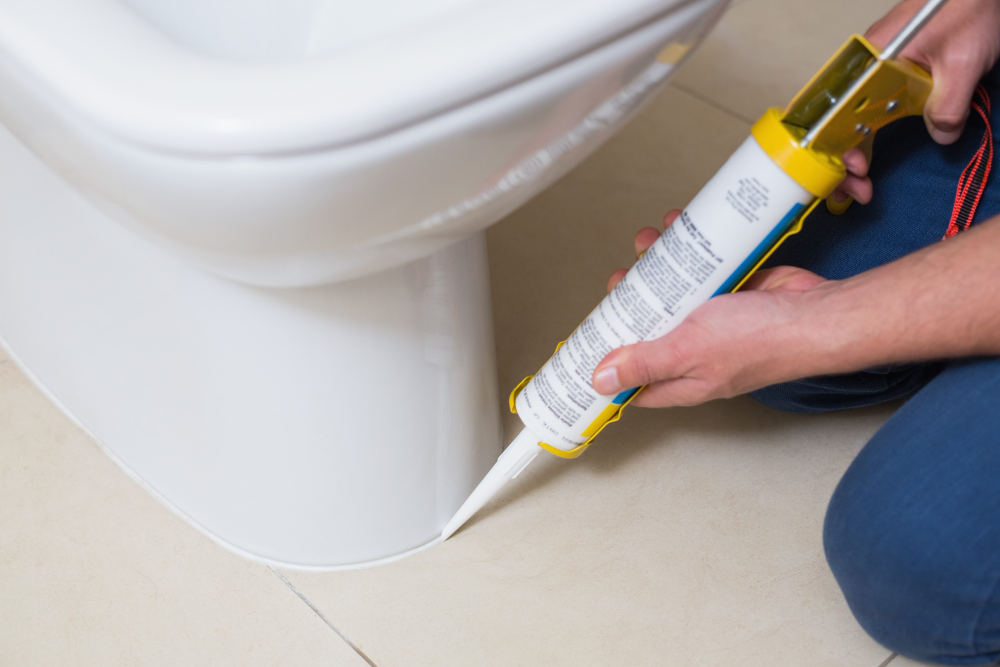
While minor surface recaulking around a washbasin can be tackled as a routine maintenance task, structural moisture issues require expert diagnosis. You should request an on-site professional assessment if you notice:
- Flaking or bubbling wall paint on shared bedroom, hallway, or wardrobe walls.
- Damp spots, water ring stains, or peeling paint on the ceiling of the apartment below.
- Persistent dark mold growth along tile corners that returns shortly after cleaning.
- A heavy, musty odor that persists even when the bathroom surface appears dry and clean.
- Tiles that sound hollow or feel loose when stepped on in shower zones.
When facing active seepage or planning a complete remodeling project, working with an accountable, specialized team makes all the difference. At BathUrChoice—a focused end-to-end bathroom renovation specialist founded in 2015 in Secunderabad—our design and execution team evaluates sub-slab conditions, inspects pipe alignments, and applies verified dual-layer waterproofing systems tailored to your home.
How Much Does Bathroom Waterproofing Cost in Hyderabad?
Waterproofing expenses depend on bathroom size, sub-floor condition, membrane selection, and whether the scope involves surface regrouting or complete civil dismantling.
- Basic Civil Work & Surface Prep: Basic tile preparation and civil work start around ₹150/sq ft.
- Full Waterproofing & Tiling Remodel: Total project costs vary based on bathroom floor dimensions, selected elastomeric coatings, pipe routing, and sanitaryware choices.
Note: Final cost depends on size, finish level, and fixtures — confirmed after a free on-site visit.
To ensure your budget covers all necessary steps, always request a free, itemized on-site estimate before starting work.
How Long Does Bathroom Waterproofing Take?
The duration of a waterproofing project depends on curing times for cement base coats and chemical membranes:
- Targeted Regrouting & Surface Repairs: Typically 2 to 4 working days, depending on scope.
- Full Dismantling, Dual-Coat Waterproofing & Re-tiling: Typically 10 to 18 working days, depending on scope, site conditions, and mandatory 24-hour flood testing.
Frequently Asked Questions
Why is bathroom waterproofing so important during a renovation?
Waterproofing creates a seamless barrier beneath tiles, preventing water from penetrating concrete slabs, damaging structural steel, or causing dampness on adjoining bedroom walls.
How much does bathroom waterproofing cost in Hyderabad?
Basic civil labor and surface prep start at ₹150/sq ft. Total cost depends on bathroom dimensions, waterproofing compound quality, and fixture scope — confirmed after a free on-site visit.
How long does a full bathroom waterproofing job last?
When applied correctly using quality elastomeric membranes over properly prepared masonry, a professional waterproofing system provides reliable protection for many years.
What is a 24-hour ponding test in bathroom waterproofing?
A ponding test involves plugging floor drains and filling the waterproofed floor with 2 to 3 inches of water for 24 hours to verify there are no leaks before laying tiles.
Can I fix bathroom wall seepage without removing the tiles?
Surface regrouting with epoxy sealant can address minor joint gaps, but active sub-surface leaks or damaged membranes generally require removing tiles to fix the core issue.
How long does it take to complete a full bathroom waterproofing and tiling project?
A full renovation involving tile removal, membrane curing, flood testing, and re-tiling typically takes 10 to 18 working days, depending on scope and site conditions.
How do I get an accurate waterproofing quote from BathUrChoice?
You can request a free on-site visit through the BathUrChoice website or phone line. A specialist will inspect your bathroom, assess dampness sources, and provide an itemized quote.
If you’re planning a renovation, a free on-site visit gives you a clear, itemized picture before you commit. Get a transparent quote from BathUrChoice today.