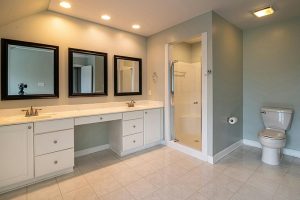
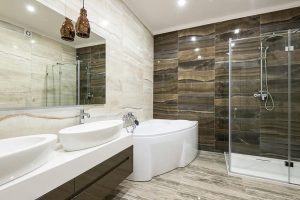
Dealing with active bathroom seepage? Explore our Bathroom Waterproofing Services in Hyderabad featuring 100% leak-proof chemical tanking and a 5-year warranty.
Table of Contents
How to Check Seepage in Walls in Bathroom: A Step-by-Step Homeowner Guide
Learning how to check seepage in walls in bathroom spaces is one of the most vital steps a homeowner can take before starting a remodeling project. Undetected water leaks can weaken internal masonry, ruin fresh paint, and lead to costly structural repairs over time.
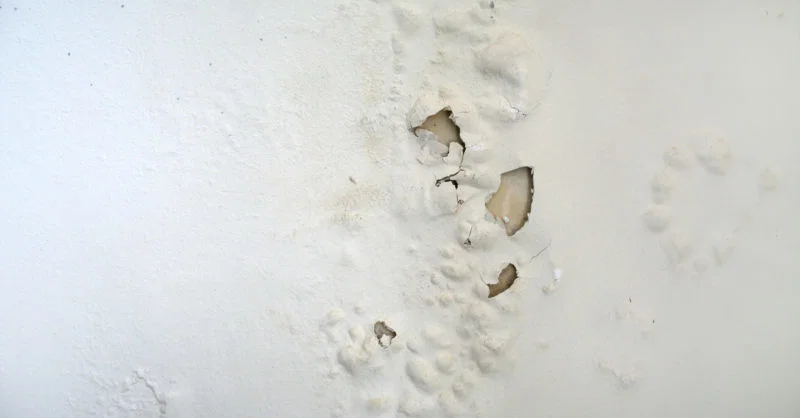
To inspect your bathroom walls for hidden moisture, perform a visual check for bubbling paint or flaking plaster, feel for damp patches, inspect tile grout lines for gaps, and check adjoining room walls for discoloration or musty odors.
What is Bathroom Wall Seepage?
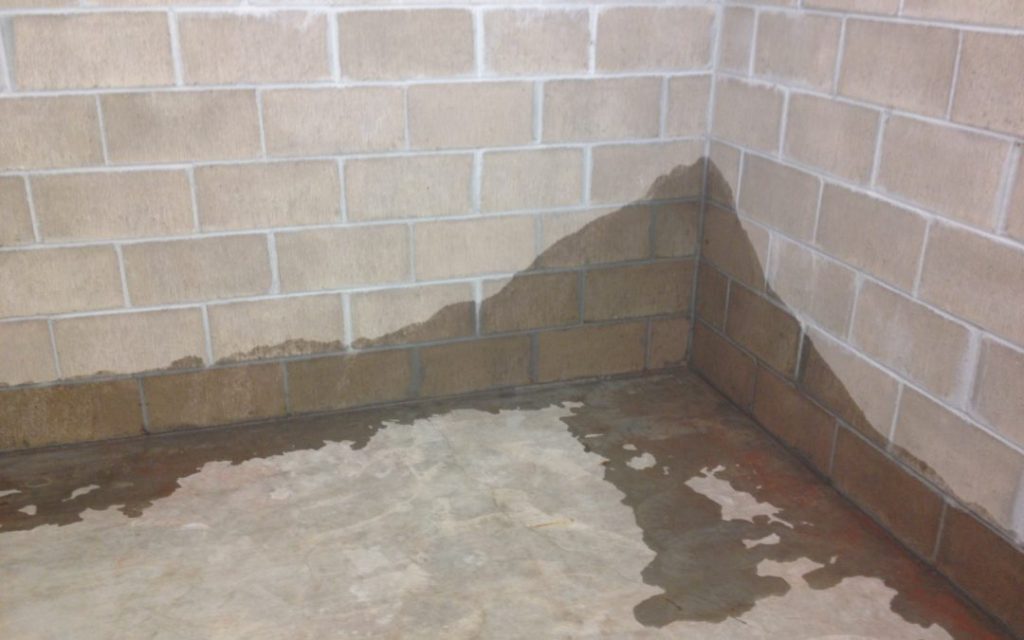
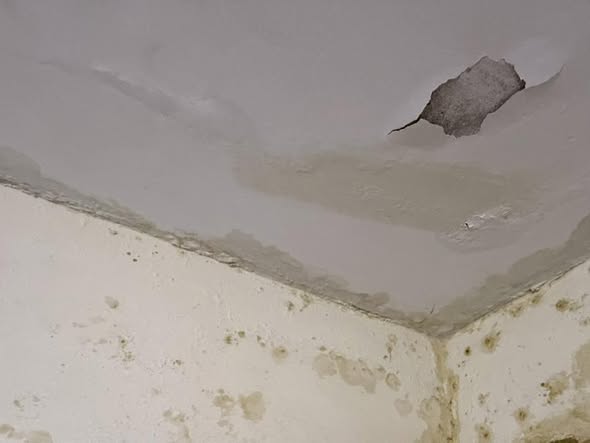
Bathroom wall seepage occurs when water penetrates through cracked tile grout, damaged waterproofing membranes, or leaking concealed pipes, gradually soaking into the surrounding masonry and concrete walls. Over time, this trapped moisture migrates outward, causing visible damp spots, paint peeling, mineral deposits, and mold growth on both bathroom walls and adjoining room surfaces.
Why Checking for Seepage Early Matters
Water seepage is rarely confined to the bathroom interior alone. In apartment complexes across Hyderabad—from high-rises in Kondapur and HITEC City to established homes in Secunderabad—bathrooms frequently share walls with bedrooms, hallways, or neighboring units.
When moisture accumulates behind tiles, it slowly travels through porous brickwork. Ignoring early signs can lead to:
- Damaged Interlocking Wall Finishes: Moisture pushing from behind causes expensive bedroom wallpapers, wardrobes, or premium wall paint to blister and peel.
- Health and Hygiene Hazards: Persistent damp conditions encourage dark mold and mildew growth, which impacts indoor air quality.
- Structural Material Degradation: Water reacting with concrete components leads to efflorescence (white powdery salt deposits) and gradual weakening of internal plaster.
- Compounded Renovation Expenses: Tiling over an active leak without fixing the underlying source will damage new fixtures and require tearing up fresh tilework later.
Key Components of a Bathroom Seepage Inspection
When checking your bathroom walls for moisture issues, evaluate these four main areas:
- Concealed Plumbing Lines: Internal hot and cold water supply pipes running behind the shower or flush tank fittings.
- Tile Grout and Corner Seals: Grouting—the material that fills gaps between tiles to keep water out—and flexible sealant applied along floor-wall junctions.
- Sanitary Drainage Junctions: Connections around the floor trap (nahani trap), wall-hung toilet conceal brackets, and washbasin waste pipes.
- Waterproofing Membrane Layer: The protective barrier underneath floor tiles designed to direct drainage toward waste outlets.
How to Check Seepage in Walls in Bathroom: 5 Step-by-Step Checks
You can conduct a basic preliminary check yourself before scheduling a formal evaluation.
1.Inspect Surrounding Outer Walls:Check adjoining rooms and shared apartment walls first.
Walk into rooms that share a wall with the bathroom. Look carefully near the skirting boards, behind wardrobes, and near door frames for damp patches, flaking paint, or discolored spots.
2.Examine Tile Joints and Floor Junctions:Look for missing tile grout and hairline cracks.
Check the tile joints around the shower zone, tap fittings, and floor corners. Missing grout or tiny gaps allow standing shower water to soak straight into the wall plaster.
3.Perform a Water Meter Static Test:Check for concealed pipe leaks.
Turn off all taps, showers, and flush valves in your home. Take a reading of your main water meter, then wait 30 to 40 minutes without using any water. If the meter dial moves, a concealed supply pipe may be leaking inside a wall.
4.Check Fixtures and Tap Escutcheon Plates:Inspect shower valves and wall mixer flanges.
Inspect the decorative metal caps (escutcheons) fitted against the wall behind shower mixers and bib taps. If these caps are not sealed with silicone or grout, water running down the tile face can enter the wall cavity behind the fitting.
5.Monitor Odors and Surface Moisture:Note persistent mustiness after drying.
Wipe down the bathroom walls and leave the door open with the exhaust fan running for a few hours. If a heavy, musty odor remains or walls stay cool and damp to the touch, moisture is trapped within the core wall structure.
How Much Does Waterproofing Repair Cost in Hyderabad?
Addressing seepage depends heavily on whether the issue stems from surface grouting or deep concealed plumbing.
| Repair Scope | Typical Work Involved | Cost Considerations |
| Basic Surface Sealing | Regrouting tiles, sealing gap edges with waterproof compounds | Starting at ~₹150/sq ft for basic tile surface preparation and regrouting |
| Targeted Pipe & Wall Repair | Opening specific tile sections, repairing joint leaks, localized plastering | Varies based on pipe depth, tile availability, and structural access |
| Complete Bathroom Waterproofing | Full tile dismantling, fresh waterproof membrane application, new tiling | Depends entirely on bathroom floor area, plumbing layout, and selected finishes |
Note: Final cost depends on bathroom size, finish level, and fixture requirements — confirmed after a free on-site visit.
Common Misconceptions About Bathroom Seepage
- Myth 1: “Painting over a damp wall with waterproof paint fixes the leak.”
- Fact: Waterproof paint only traps moisture inside the wall. The underlying leak will eventually push through, causing the new paint layer to blister and peel.
- Myth 2: “Seepage only happens in very old buildings.”
- Fact: Newer apartments in Gachibowli or Madhapur can experience seepage if tile grout settles or if plumbing joints loosen during installation.
- Myth 3: “If floor tiles look fine, the waterproofing underneath must be intact.”
- Fact: Micro-cracks under floor tiles can slowly let water accumulate in the concrete slab without showing obvious surface tile damage right away.
When to Bring in a Professional
While basic visual checks help you identify problem areas, major seepage issues require specialized diagnostic tools like moisture meters or thermal imaging cameras.
You should schedule a professional assessment if you notice:
- Broad, spreading damp patches on bedroom or hallway walls.
- Recurring mold growth despite regular cleaning.
- Water dripping down from the ceiling or light fixtures of the flat below.
- Persistent seepage even after sealing tile gaps yourself.
If you are planning a complete remodel or need to fix recurring leakage before updating your space, a thorough site inspection is essential. Our team at BathUrChoice—a dedicated bathroom renovation specialist founded in 2015 in Secunderabad—assesses underlying moisture conditions, tile health, and plumbing routing to ensure long-lasting results.
Frequently Asked Questions
How long does a bathroom waterproofing inspection typically take?
An initial visual inspection and moisture check usually takes between 30 to 60 minutes, depending on the bathroom size and whether adjoining rooms also need evaluation.
How much does a full bathroom renovation cost in Hyderabad?
Basic surface treatment and tile work starts from ₹150/sq ft. However, a complete renovation budget varies based on scope, fixture choices, and underlying plumbing condition. Final cost depends on size, finish level, and fixtures — confirmed after a free on-site visit.
How long does it take to fix wall seepage during a bathroom remodel?
Timeline depends entirely on scope and site conditions. Surface regrouting can be completed quickly, while complete tile removal, waterproofing coat curing, and re-tiling typically take several days.
Can I tile over existing damp bathroom walls?
No. Tiling directly over damp masonry traps water inside the wall, preventing it from drying and causing the new tile adhesive to fail over time.
Why does seepage worsen during the monsoon season in apartment buildings?
Higher humidity and continuous groundwater saturation reduce evaporation rates, allowing small, existing plumbing or grout leaks to spread faster across shared concrete structures.
What should I prepare before a bathroom seepage inspection?
Keep the bathroom floor clean and dry for a few hours before the technician arrives, and ensure easy access to adjoining room walls and main water control valves.
How do I get an accurate repair estimate for my bathroom?
Online estimates are only general guidelines. To get an accurate, itemized quote tailored to your layout and material preferences, schedule a free on-site assessment with an experienced specialist.
If you are planning a bathroom renovation or suspect hidden wall leakage, getting a clear, itemized picture before you commit is the best path forward. Contact BathUrChoice today for a free on-site evaluation across Hyderabad and Secunderabad.